Ezlift Stand Assist Bed: Expert Review
Transform Your Bedroom With Modern Adjustable Beds
Adjustable beds are attracting interest for their ability to improve sleep quality and comfort. These flexible configurations allow users to raise their heads or legs, tackling common issues such as snoring and acid reflux. With features like wireless remotes and integrated massage features, they cater to diverse needs. As the demand for personalized sleep solutions increases, learning about the specifics of adjustable beds becomes crucial to making a well-informed choice about one's sleep environment.
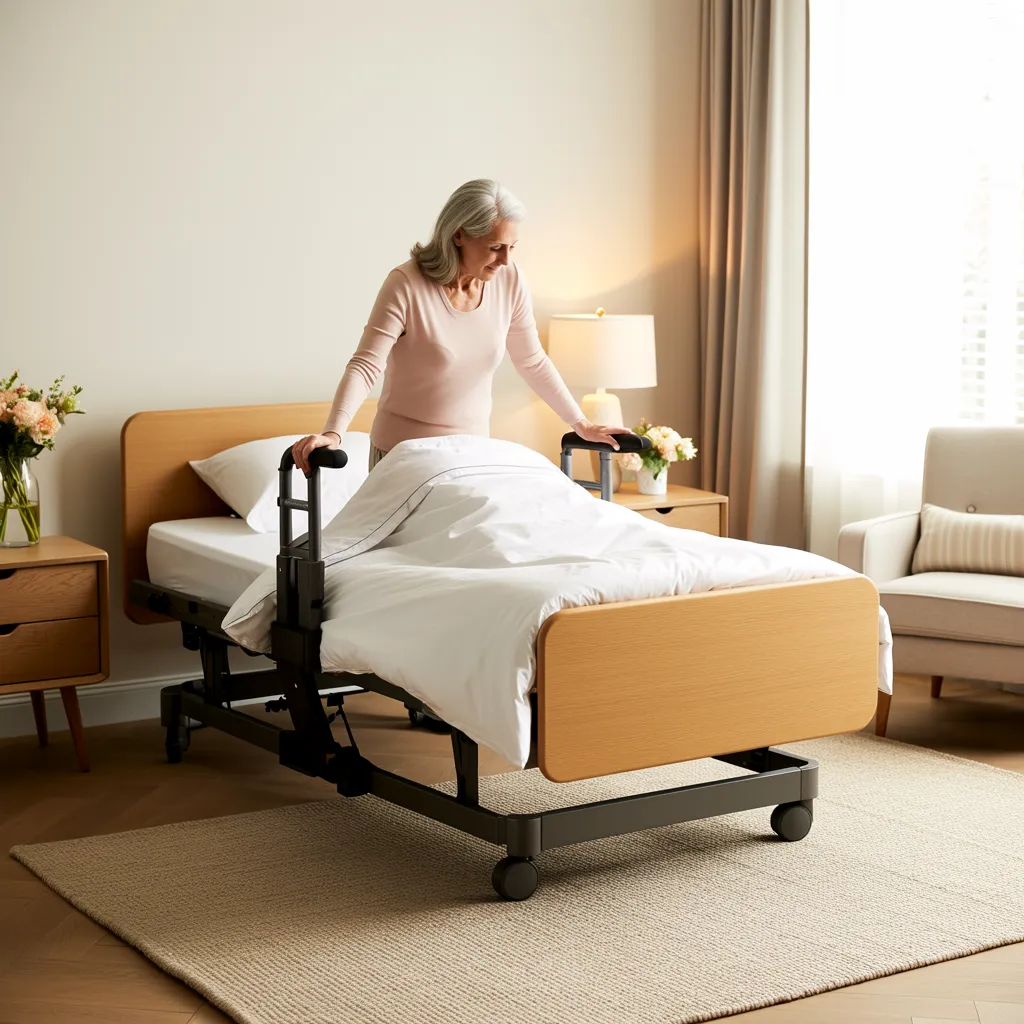
How Flexible Beds Improve Sleep Performance
While many individuals struggle with quality of sleep, adjustable beds offer a promising solution. These beds permit users to customize their rest positions, which can alleviate soreness and support superior sleep. By tilting the feet or head, adjustable beds can lessen issues such as nocturnal sounds, gastric reflux, and breathing difficulties, producing uninterrupted sleep cycles.
Moreover, the capacity to discover a personalized posture can enhance spine alignment, decreasing back pain for many people. The ergonomic assistance offered by adjustable beds encourages a more restful sleep, as users can find the perfect angle that suits their needs.
Also, these beds can encourage tranquility, making it less difficult for people to wind down before bedtime. Overall, adjustable beds cater to various sleep needs, greatly improving the overall sleep experience and quality, ultimately fostering improved well-being and wellness.
Vital Attributes to Search for in Adjustable Beds
Adjustable beds include a assortment of components that boost their performance and quality of experience. One crucial aspect is the selection of settings accessible for customization, enabling users to adjust their feet or head for ultimate relaxation. Cordless remote control devices are essential, offering effortless adjustments without leaving the bed.
An essential component is the bed's carrying capacity, which ensures it can support various body types. Additionally, some models provide onboard massage features, delivering relaxation and stress relief. Compatibility with different mattress types is important, allowing users to opt for their preferred comfort level.
Moreover, acknowledge the presence of safety features such as auto-return and anti-collision systems. Conclusively, the product warranty and customer support options should not be disregarded, as they illustrate the manufacturer's confidence in the durability of the item. These features together deliver an optimized sleeping experience and improved overall enjoyment.
Increasing Relaxation By Way of Variable Beds
Often, people experience considerable improvements in comfort when using beds that adjust. These beds allow users to customize their sleeping position, meeting personal preferences and specific needs. By raising the head or foot sections, sleepers can reduce pressure on the spine and joints, promoting better alignment and reducing discomfort.
In addition, flexible bed systems can be highly beneficial for people with particular health issues, such as acid reflux or sleep apnea. Elevating the upper body can help in reducing symptoms, while raising the legs may improve circulation and alleviate edema.
The adaptability of beds with adjustment features also extends to their capacity to accommodate various activities. Whether reading, watching television, or working in bed, users can discover a posture that enhances their overall satisfaction. Ultimately, the adjustability of beds that adjust significantly contributes to better sleep and overall well-being.
Investigating the wide range of styles of adjustable beds reveals special advantages tailored to individual needs. The most common types include bifurcated adjustable beds, which grant partners to tune their side alone, maximizing comfort for both. Likewise, wall-hugging frameworks maintain proximity to nightstands while adjusting positions, making them practical in smaller spaces.
Moreover, some models include zero-gravity configurations, which elevate the head and legs, delivering relief from pressure points and improving circulation. Other beds come fitted with massage functions, providing relaxation and assisting with stress reduction.
The materials differ, with options extending from memory foam to hybrid designs, satisfying different preferences for firmness and support.
In conclusion, the preference of adjustable bed design can considerably enhance sleep rest and overall vitality, making it crucial for individuals to assess their specific requirements and personal circumstances when opting for the ideal option.
Instructions for Configuring Your Adjustable Sleep System With Ease
Configuring an adjustable bed involves a few straightforward steps to guarantee proper capability. First, unboxing and inspecting all pieces is essential for identifying any emergent concerns. Once verified, constructing the bed frame and joining the power and settings will finalize the setup process efficiently.
Unbox and Inspect Components
Opening up an versatile sleeping platform reveals an extensive variety of structural parts intended for effortless assembly and supreme comfort. Regularly, the shipment consists of the frame, adjustable base, control unit, power unit, and diverse accessories including linkage pieces and metal fasteners. All parts are securely packaged to prevent any harm throughout shipping.
After inspection, it is essential to verify that all parts are present and intact. Users should check the remote for proper operation and verify that relevant resource cords are intact. Furthermore, examining the base unit for any manufacturing defects is important. Proper inspection at this stage can conserve time and aggravation during the assembly process. With all items verified, users can move forward with assurance to construct their new bed frame.
Assemble The Bed Frame
Assembling the bed frame starts with arranging all components in an orderly manner, providing easy access during the setup process. The frame usually includes side rails, end rails, and support slats. First, connect the side rails to the head and footboards as per the provided instructions, securing each joint with the appropriate hardware. Next, install the support slats along the width of the frame, making sure they are evenly spaced for maximum mattress support. Once the frame is fully constructed, check for stability by gently shaking it. Adjustments can be made if necessary to ensure a secure and sturdy setup. With the frame in place, the next steps can proceed seamlessly.
Set up Electricity And Settings
To establish an ideal experience with the adjustable bed, joining the power supply and adjusting the settings is vital. First, identify the power cable and connect it to a nearby outlet, guaranteeing it is securely connected. Next, turn on the bed's control unit, often positioned on the foot or side of the frame. This unit usually features a wireless remote or a smartphone application for user convenience. Users should then set the bed's positions, such as head and foot elevation, according to individual comfort needs. It is advisable to check out additional settings, including massage functions or preset positions. Finally, making sure that all connections are secure can avoid interruptions while using, enhancing overall satisfaction with the adjustable bed experience.
Dispelling Myths About Adjustable Bed Systems
Numerous myths surround adjustable beds, especially regarding comfort and mobility benefits. Some believe that these beds are fundamentally uncomfortable or that their advantages are restricted to those with mobility issues. Tackling these myths is essential to comprehending the true value of adjustable beds.
Adjustable Beds Cause Uneasiness
Adjustable beds frequently meet with criticism for seeming uncomfortable, yet this perception is largely unfounded. Numerous users state that these beds enhance their sleep experience by allowing custom placement. The capacity to elevate the upper or lower body can decrease pressure on particular zones, improving blood flow and reducing strain. Furthermore, adjustable beds come with multiple sleep surface choices, including memory foam and latex, which satisfy individual desires for resilience and comfort. Many manufacturers also stress ergonomic design, making certain that the bed shapes to the body's natural shape. Consequently, adjustable beds can deliver a level of comfort that traditional beds cannot deliver, challenging the myth that they are inherently uncomfortable for sleep.
Limited Mobility Benefits Only
While some could believe that adjustable beds only serve those with limited mobility, this assumption fails to see the numerous advantages they deliver to a wider array of users. Adjustable beds can boost ease for individuals without physical challenges by allowing customized adjustment that fosters peaceful rest and eases pressure points. They are particularly advantageous for those who contend with conditions like acid reflux or breathing disturbances, as raising the upper body can improve airflow and digestive health. Furthermore, these beds can enhance overall sleep quality by supporting various rest positions. By debunking the misconception that these beds are exclusively for the mobility-impaired, it is clear that they appeal to all people desiring a better and customized rest quality.
Premier Mattresses for Adjustable Beds
Determining the appropriate mattress for an adjustable bed can greatly enhance comfort and stability. Memory foam mattresses are often recommended due to their knack for conforming to the body's shape, providing pressure relief and alignment. Furthermore, they generally work well with adjustable bases, enabling smooth movement without sacrificing comfort.
Latex mattresses are another excellent choice, offering a bouncy sensation and strength. They give a balanced support that can work with different postures, making them excellent for adjustable bed frames. Additionally, blended mattresses, which blend innerspring and foam and latex, present a flexible choice. These mattresses give the bounce of traditional innerspring with the shaping benefits of foam.
Lastly, it's crucial to assess thickness. Mattresses between 10 to 14 inches are generally most compatible with adjustable frames, delivering flexibility and support without excess bulk. Opting for the proper design can substantially boost the adjustable sleeping experience.
Questions Frequently Posed by Customers
Do all mattress varieties work with adjustable bed frames?
Adjustable beds are generally compatible with several mattress types, like memory foam, latex, and hybrids. However, it's critical to review specific manufacturer guidelines to ensure peak performance and backing for each mattress design.
Adjustable Mattress Units - Do They Require Tailored Bed Coverings and Supplementary Items?
Adjustable beds generally do not require special bedding or accessories. However, selecting fitted sheets crafted for adjustable bases can improve comfort and fit, making sure the bedding works with the bed's movements effectively and remains secure.
What Is the Average Lifespan of Adjustable Bed Systems?
Adjustable beds typically last from 10 to 20 years, based on usage and quality. Regular maintenance and proper care can extend their lifespan, ensuring continued comfort and functionality for users over time.
Will Adjustable Beds Benefit Specific Health Conditions?
Adjustable beds can indeed help address specific health concerns, such as sleep apnea, acid reflux, and chronic pain. By supporting proper sleeping positions, they could alleviate discomfort and enhance overall sleep quality for many individuals.
Do adjustable beds produce sound when changing positions?
Adjustable beds may create different noise levels when changing positions. Many models run very quietly, while some may emit slight sounds due to mechanical systems. Overall, most users perceive the noise as minimally bothersome during use.